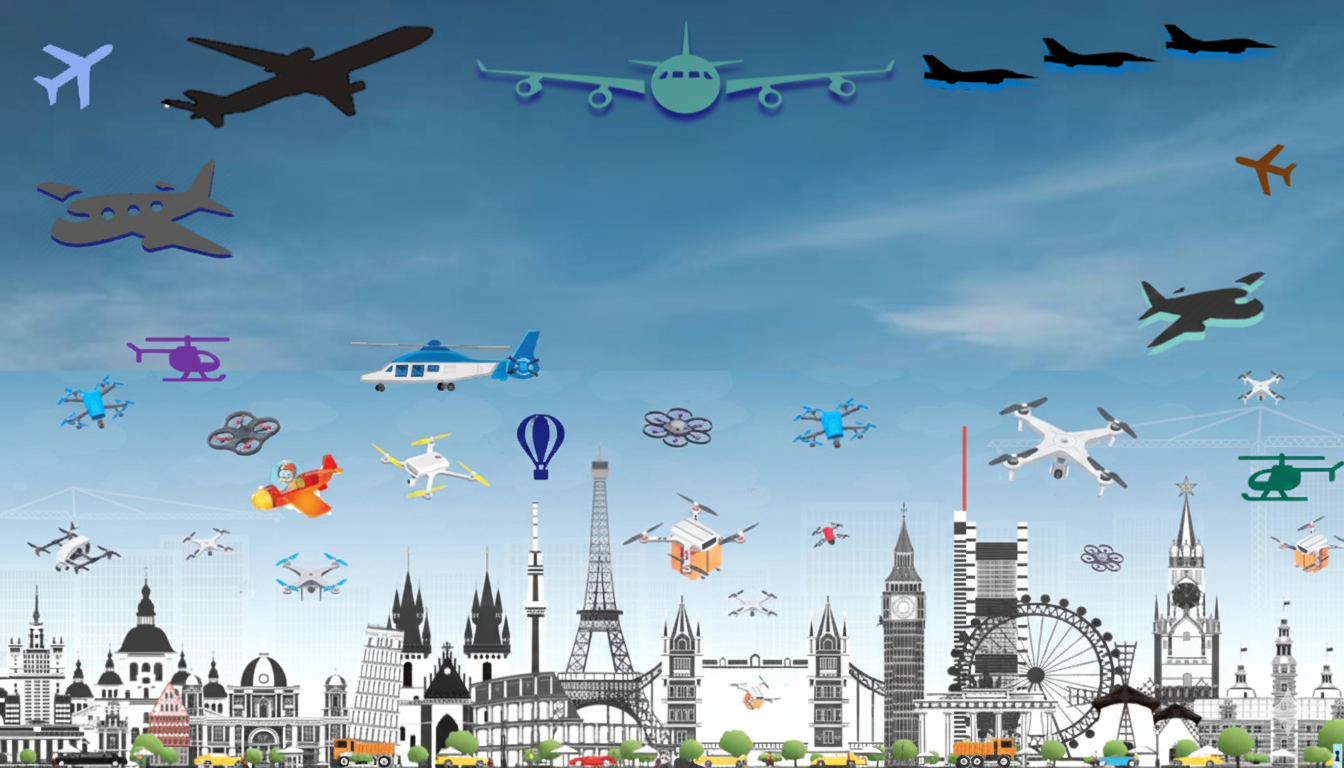
We are a group of aviation enthusiasts interested in effective drone regulation and standards in India. We’re working towards a deeper synchronisation between industry and regulator, while setting up conversations with more types of stakeholders. Our approach uses Concept of Operations (ConOps) as a consensus-building tool to enhance market capacity over time. This approach would boost operations and clear the road for Unmanned Traffic Management standards, a crucial building block for the drone ecosystem.
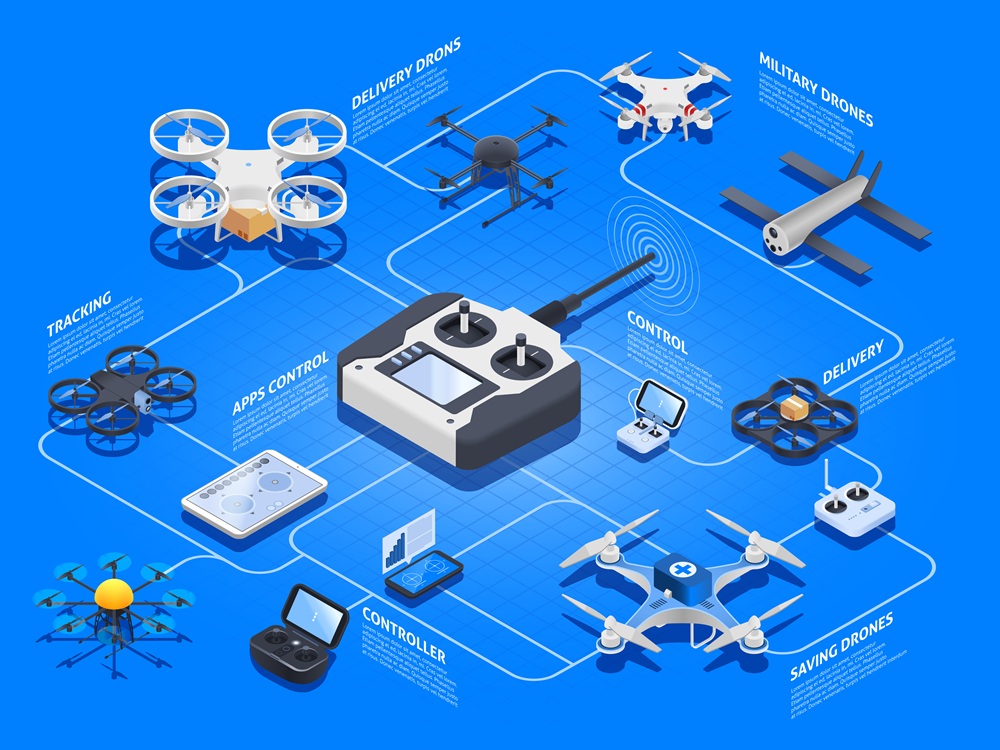
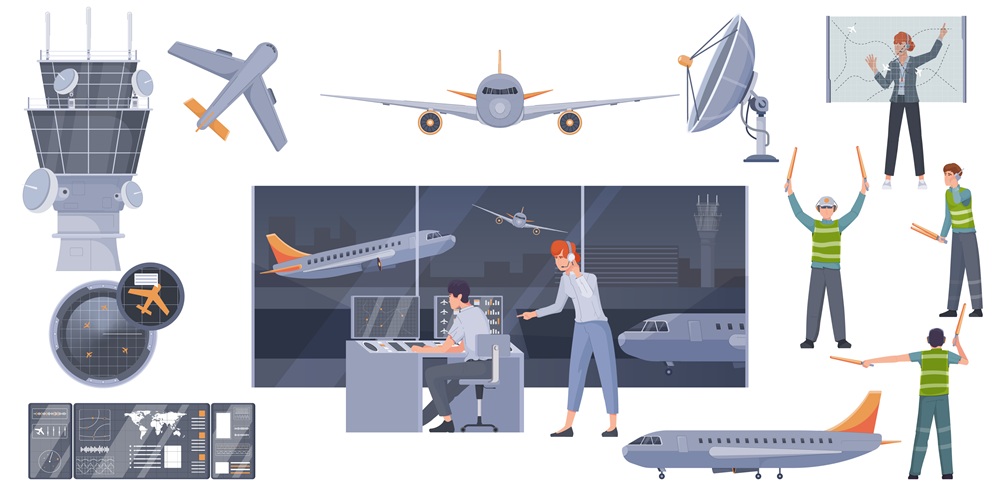
Civil Aviation Authorities worldwide have started rule making for unmanned aviation. There being several aspects to the field, we hope to take a holistic and informed approach to making recommendations to policy makers on such efforts in India. We are also aiming to build Digital Public Goods and Infrastructure that would enable larger scale of the drone ecosystem.
Civil aviation has, traditionally, been based on the notion of a pilot operating the aircraft from within the aircraft itself and more often than not with passengers on board. Rapid technological innovations have enabled pilotless aircraft which can be designed for specific applications that require precision or long duration which have been considered near impossible hitherto. These aircraft also enable applications considered dull, dirty or dangerous, in other words, tasks that entail monotony or hazard for the pilot of a manned aircraft.
Read MoreThe Draft Civil Drone Bill 2025, while titled as a promotion and regulation framework, effectively reverses the liberalized approach of the Drone Rules 2021. Instead of enabling innovation, it introduces heavy licensing, centralized control, insurance burdens, and harsh criminalization, creating an anti-innovation and anti-startup environment. It is evident that the bill relies heavily on the Bharatiya Vayuyan Adhiniyam, 2024 and fails to fully appreciate the essential differences between ‘aircraft’ and ‘drones’ in its approach.
Read MoreCivil aviation has, traditionally, been based on the notion of a pilot operating the aircraft from within the aircraft itself and commonly with passengers on board. Rapid technological innovations have enabled pilotless aircraft which can be designed for specific applications that require precision or long duration which have been considered near impossible hitherto. These aircraft also enable applications considered dull, dirty or dangerous, in other words, tasks that entail monotony or hazard for the pilot of a manned aircraft.Such pilotless aircraft make use of ground based or pre-programmed automatic controllers to manoeuvre the aircraft in flight and are generically termed as drones.
Read More










At the Fourth National Startup Advisory Council Meet held on 17.05.2022 under Hon’ble Minister of Commerce and Industry, Consumer Affairs, Food & Public Distribution, and Textiles Shri Piyush Goyal, the NavIC Grand Challenge (GC) was launched. The GC seeks to mainstream the use of NavIC and establish it as a domestic mapping solution.iSPIRT has contributed to the development of this Grand Challenge. ReadMore
The potential commercial benefits that unmanned aviation can bring to an economy has been well established in several countries. A primary and immediate use-case for drones is in Geospatial data acquisition for various applications such as infrastructure planning, disaster management, resource mapping etc. In fact, as argued in the recently announced guidelines for Geospatial data, the availability of data ReadMore
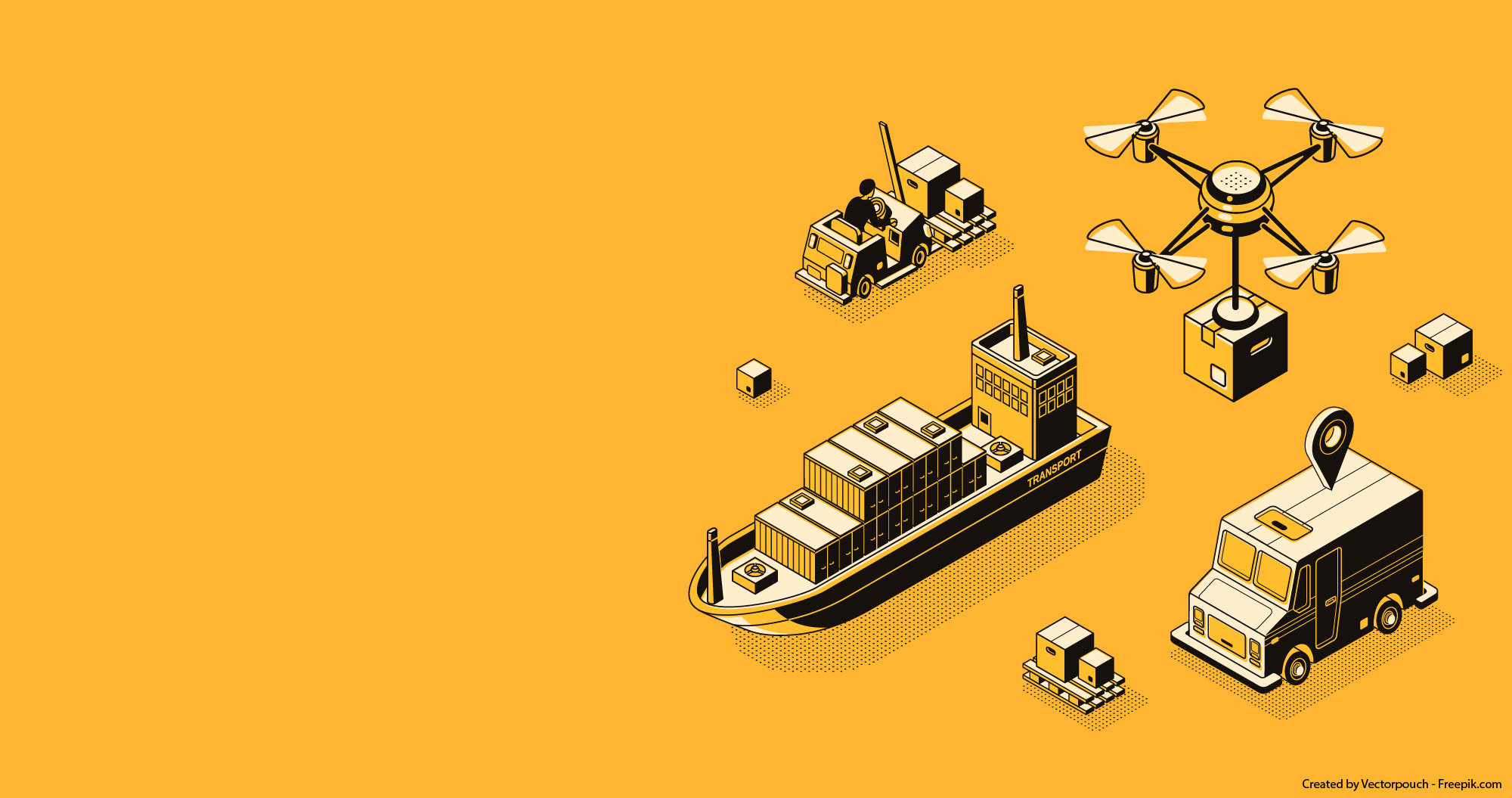
Drones have been around for a long time, going back as far as World War II. For most of their history, they were considered part of the military arsenal and developed and deployed almost exclusively by the military. However, the past decade has seen a tremendous amount of research and development in the area of using drones for civilian purposes This has led industry experts to predict that drones will be disrupting some of the mainstay industries of the global economy such as logistics ReadMore
Unmanned Aerial Vehicles(UAV’s)/ Drones have been making a buzz all over the world. Drones in the past have been looked at as a threat in various countries. The public perception towards drones has been very different in the past and has been changing over the past few years when people have been able to see the real benefits that this technology can offer. ReadMore